
Mexico is one of the world’s great drinking cultures, but not only because of tequila and mezcal. The country has a deep relationship with flavor: citrus, salt, spice, fresh fruit, herbs, smoke, minerality, bitterness, and regional spirits that taste like the places they come from. That is why Mexican cocktails feel so alive. They are refreshing without being boring, complex without being pretentious, and often built around ingredients that already belong to everyday Mexican life.
Today, Mexican cocktails are having a major moment. In Mexico City, Guadalajara, Oaxaca, Puerto Vallarta, and beyond, bartenders are rethinking classic drinks with local distillates, native ingredients, fresh produce, and a more regional point of view. The result is a cocktail movement that feels modern, but still deeply connected to Mexican culture.
At Osto, our cocktail making class in Puerto Vallarta is built around that same idea. It is not just about memorizing recipes. It is about understanding why Mexican cocktails work, how to balance strong flavors, and how to use Mexican spirits and ingredients in a way that feels creative, delicious, and memorable.
Why Mexican Cocktails Are So Unique
Mexican cocktails stand apart because they are rarely just about alcohol. They are about balance, climate, food, and place.
Many of Mexico’s best-known drinks are bright, citrusy, and refreshing because they make sense in a warm country. Lime, grapefruit, orange, tamarind, pineapple, chile, salt, and mineral water all appear often because they cut through heat and richness. These are drinks made for long lunches, beach afternoons, late nights, and celebrations that keep going.
Then there are the spirits themselves. Tequila and mezcal are the most famous, but Mexico also has raicilla, sotol, bacanora, charanda, pox, and many regional liqueurs and infusions. Each one carries a different story. Some are smoky, some grassy, some earthy, some fruity, and some surprisingly delicate. When you combine them with fresh local ingredients, the cocktail becomes more than a drink. It becomes a small expression of a region.
That is also why the modern Mexican cocktail scene is so exciting. Bartenders are not just copying classic European or American cocktail formulas. They are building drinks around Mexican identity, local agriculture, and regional flavor.
The Paloma
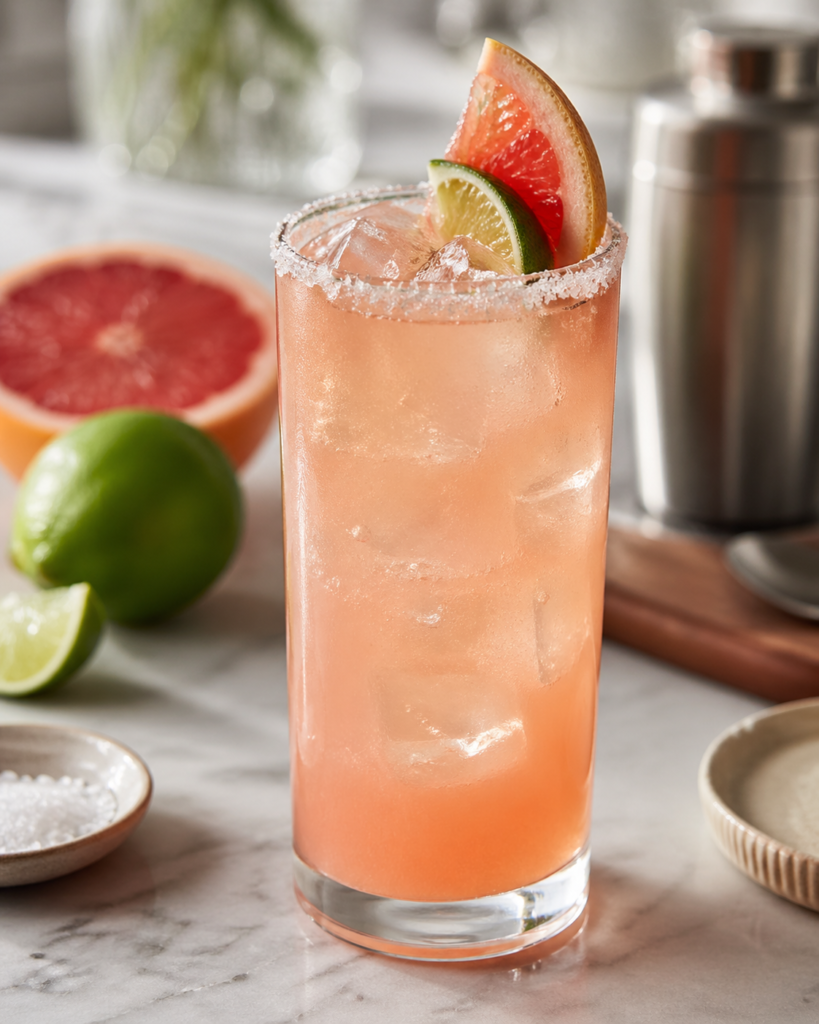
The Paloma may be the most Mexican cocktail of all. While the Margarita is more famous internationally, the Paloma is often what people in Mexico actually want when they are looking for something easy, cold, and refreshing.
A traditional Paloma is usually made with tequila, grapefruit soda, lime, and salt. It is simple, but that is the beauty of it. The grapefruit brings bitterness and sweetness, the lime adds acidity, the salt makes the flavors pop, and the tequila gives the drink its backbone.
A more elevated version might use fresh grapefruit juice, sparkling water, and a touch of agave instead of grapefruit soda. Either way, the Paloma shows one of the most important lessons in Mexican cocktails: a great drink does not need to be complicated. It just needs balance.
The Margarita
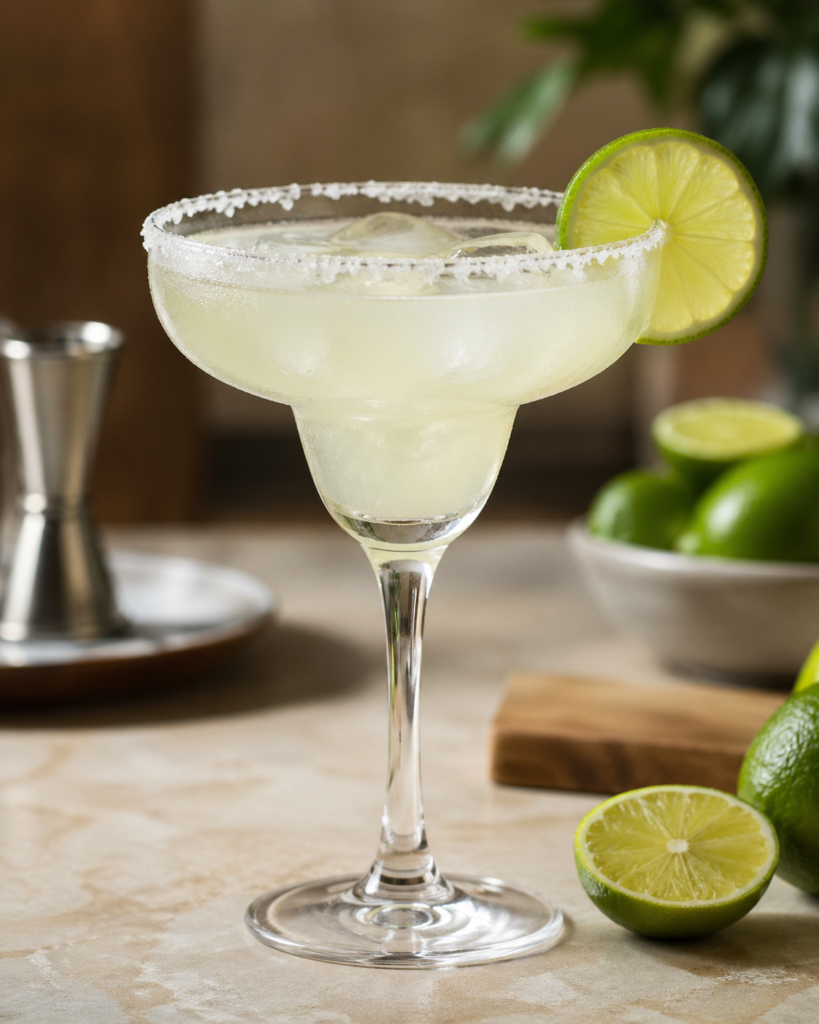
The Margarita is the Mexican cocktail that conquered the world. It is made with tequila, lime juice, and orange liqueur, usually served shaken and either straight up or on the rocks with a salted rim.
Part of the Margarita’s success is its structure. It has the same basic balance that makes many classic cocktails work: spirit, citrus, and sweetness. But the tequila gives it a distinctly Mexican personality. A good Margarita should be sharp, clean, and bright, not overly sweet or slushy unless that is the style you are intentionally going for.
The Margarita is also one of the best cocktails for learning technique. Small changes make a big difference. The type of tequila, the freshness of the lime, the sweetness level, the shake, the ice, and the salt all affect the final drink. That is why it is such a useful cocktail to understand in a class setting.
The Michelada
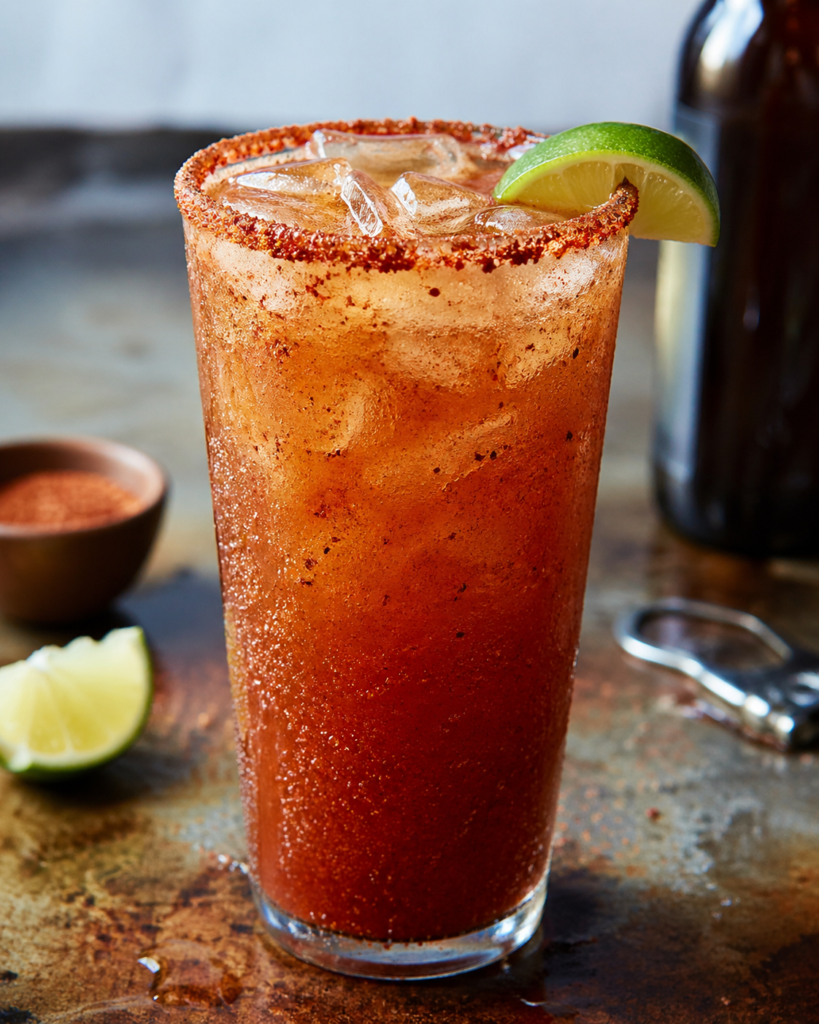
The Michelada is part cocktail, part beer drink, part hangover cure, and part Mexican ritual. It usually starts with cold beer and lime, then adds salt, sauces, chile, and sometimes tomato or clamato, depending on the style.
There are many versions. Some Micheladas are light and simple, with just lime and salt. Others are bold and savory, with Worcestershire sauce, Maggi, hot sauce, tomato juice, chile powder, and a heavily seasoned rim.
What makes the Michelada so Mexican is how personal it is. Everyone has a preferred version. Some people want it spicy. Some want it sour. Some want it almost like a meal in a glass. It is a drink that invites customization, which is one reason it has become such a staple across Mexico.
The Carajillo
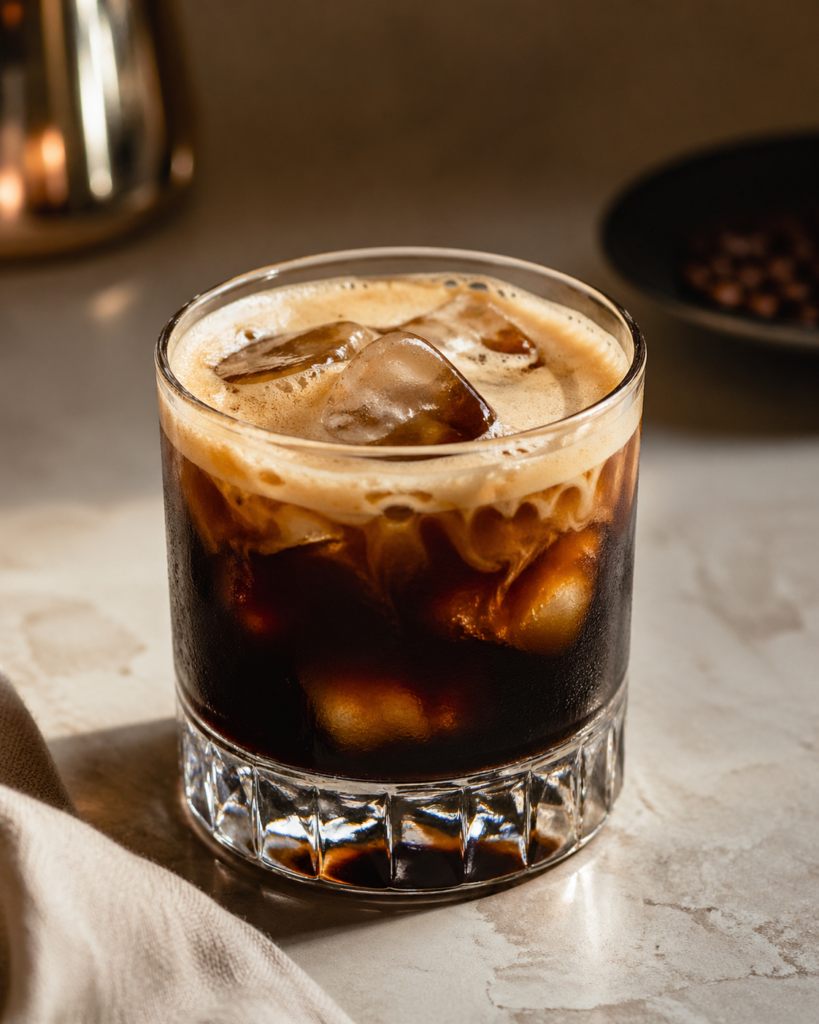
The Carajillo has become one of the most popular after-dinner drinks in Mexico, especially in restaurants, bars, and social gatherings. It is usually made with espresso and Licor 43, served over ice and often shaken to create a foamy top.
While the drink has Spanish roots, Mexico has fully embraced it and made it part of modern dining culture. It is sweet, caffeinated, aromatic, and easy to enjoy after a long meal. In many places, ordering a Carajillo signals that the night is not quite over yet.
The Carajillo also represents an important part of the Mexican cocktail movement: not every great drink has to be based on tequila or mezcal. Mexico’s cocktail culture is flexible. It borrows, adapts, and transforms drinks into something that fits the local rhythm.
The Cantarito
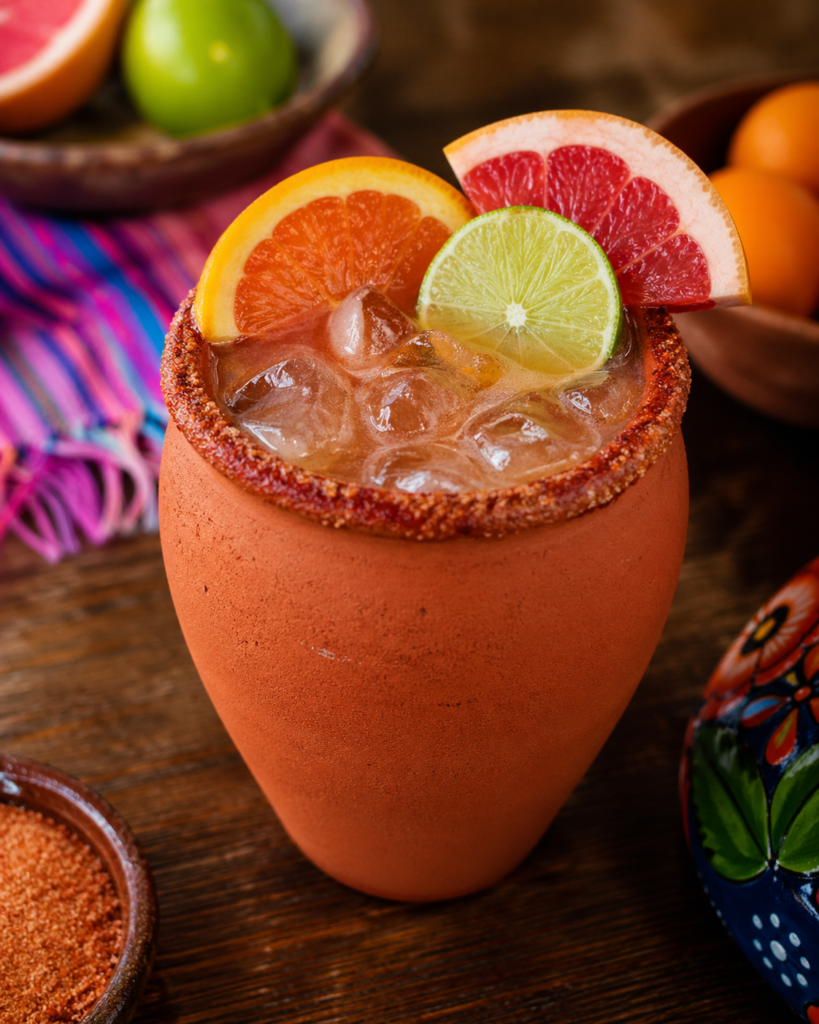
The Cantarito is a tequila cocktail from Jalisco, traditionally served in a small clay cup called a jarrito or cantarito. It is typically made with tequila, lime juice, orange juice, grapefruit juice, grapefruit soda, and salt.
This drink feels festive immediately. It is citrusy, cold, slightly sweet, and made for sharing. The clay cup is not just decoration either. It helps keep the drink cool and gives the whole experience a rustic, regional feel.
The Cantarito is especially connected to Jalisco, tequila country, and it shows how Mexican cocktails are often tied to place. The vessel, the spirit, the citrus, and the style of drinking all reflect a regional identity.
The Salmoncito
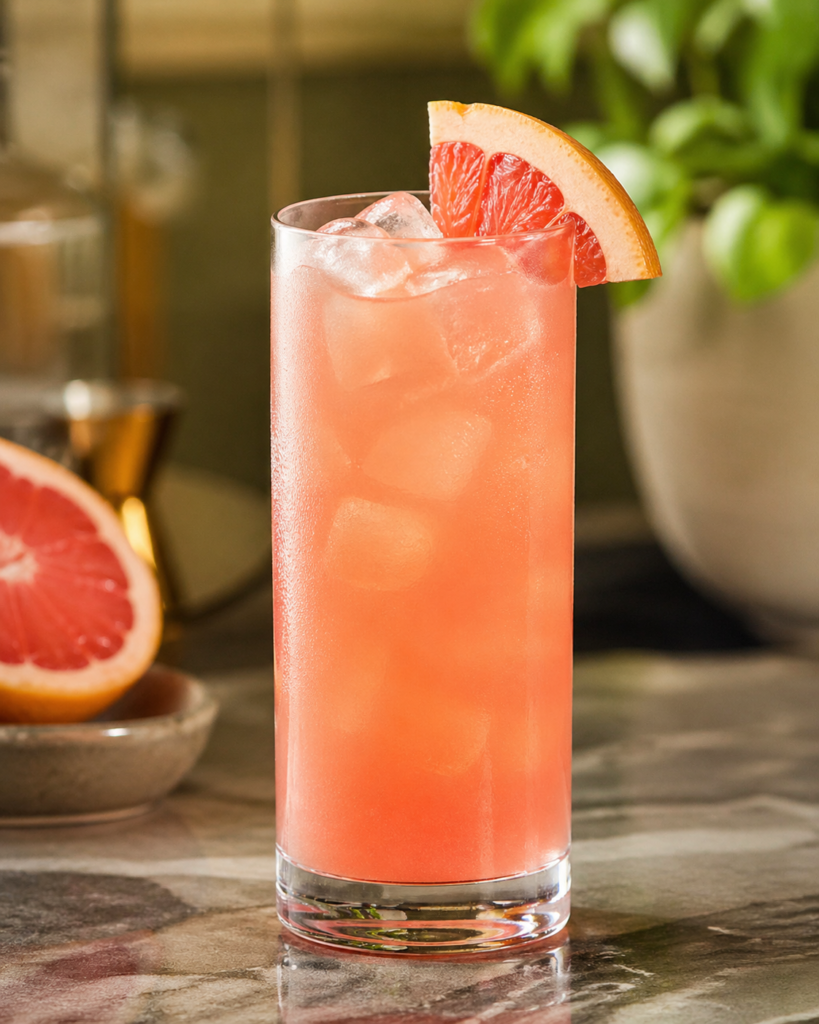
The Salmoncito is a more modern Mexican cocktail, and it is one of the best examples of how Mexico’s cocktail scene continues to evolve. It was created in Mexico City by bartender Khristian de la Torre in 2013 at Maison Artemisia. The drink is usually made with gin, Campari, grapefruit, and tonic water, giving it a salmon-pink color and a bittersweet, refreshing profile.
What makes the Salmoncito interesting is that it does not look like a traditional Mexican cocktail on paper. It uses gin and Campari rather than tequila or mezcal. But its freshness, grapefruit character, drinkability, and Mexico City origin have helped it become part of the modern Mexican cocktail conversation.
It also shows where Mexican bartending is going. The movement is not limited to agave spirits. It is about creativity, balance, local taste, and the confidence to create new classics.
Other Mexican Cocktails Worth Knowing
There are many other Mexican drinks that deserve attention. The Vampiro, often made with tequila, citrus, and sangrita-style flavors, is bold and savory. The Batanga, a simple mix of tequila, lime, cola, and salt, is famously associated with La Capilla in Tequila, Jalisco. The Mezcalita takes the Margarita structure and gives it a smoky, earthy twist with mezcal.
There are also countless regional and house cocktails that may never become internationally famous but still capture the spirit of Mexican drinking culture. A cocktail made with raicilla in Puerto Vallarta, tropical fruit from the market, fresh herbs, and a touch of chile can feel just as meaningful as a world-famous classic.
That is part of the magic. Mexico’s cocktail culture is not one fixed thing. It is constantly moving.
The Mexican Cocktail Movement Today
The modern Mexican cocktail movement is built on a few powerful ideas.
First, bartenders are taking Mexican ingredients seriously. Instead of treating lime, chile, salt, and agave as simple clichés, they are using them with precision. A little salinity can sharpen a drink. A controlled amount of chile can add warmth without overwhelming the palate. Fresh citrus can be layered with herbs, bitters, or regional spirits to create depth.
Second, there is a growing respect for lesser-known Mexican distillates. Mezcal helped open the door, but now more people are discovering raicilla, sotol, bacanora, and other spirits that were once harder to find outside their regions. These spirits bring new textures and flavors to cocktails.
Third, Mexican cocktail culture is becoming more experience-driven. People do not just want a drink placed in front of them. They want to understand the story behind it. They want to know where the spirit comes from, why the garnish matters, how the balance works, and what makes the drink feel Mexican.
That is exactly where a cocktail making experience becomes so valuable.
Why Take a Mexican Cocktail Making Class at Osto?
A cocktail making class at Osto is designed for people who want more than a regular night out in Puerto Vallarta. It is for travelers, couples, groups, and curious drinkers who want to connect with Mexican flavor in a more hands-on way.
During the experience, you get to step behind the drink instead of simply ordering one. You learn how to shake, stir, muddle, balance citrus, work with sweetness, and understand how different spirits change the personality of a cocktail. More importantly, you learn how Mexican ingredients can be used in a thoughtful, modern way.
Osto’s setting also makes the experience special. The class takes place in an intimate, candle-lit private room inside a restored heritage home in Puerto Vallarta’s Centro. It feels personal, warm, and different from a typical bar or restaurant. The experience includes a regional point of view, with Mexican-made spirits, local produce, and flavors that connect to Jalisco and the coast.
For visitors, it is a way to bring a piece of Mexico home. You are not just drinking a Paloma or Margarita. You are learning why it works, how to make it better, and how to recreate that feeling later.
Mexican Cocktails Are About More Than Recipes
The most famous Mexican cocktails are famous for a reason. The Paloma is refreshing and effortless. The Margarita is balanced and iconic. The Michelada is personal and bold. The Carajillo is smooth and social. The Cantarito is festive and regional. The Salmoncito shows the creativity of Mexico’s modern bar scene.
Together, they tell a bigger story. Mexican cocktails are not just drinks with tequila. They are expressions of climate, culture, ingredients, and hospitality. They can be simple or sophisticated, classic or experimental, deeply traditional or completely modern.
That is what makes them so fun to learn. And that is what makes a cocktail making class at Osto such a memorable Puerto Vallarta experience. You leave with new skills, new flavors, and a better understanding of why Mexico has become one of the most exciting cocktail destinations in the world.